In the realm of literature, the significance of women typists often goes unnoticed, yet it is a vital aspect of literary history. From typing up drafts for iconic authors to transcribing unpublished manuscripts, women typists played a crucial role that deserves recognition. The relationship between the typewriter and women’s labor history reflects not just a technological evolution, but also the emergence of women’s roles in the literary landscape. Famous women typists, like Vera Nabokov and Mabel Loomis Todd, significantly influenced the works of renowned authors by shaping their texts and contributing to the final published versions. The impact of typists on authors is profound, highlighting how these women’s contributions have been instrumental in bringing literary masterpieces into the public eye, while underscoring the need to celebrate their often-overlooked legacy.
Exploring the narrative of female typists within literary contexts unveils layers of women’s contributions that are seldom highlighted. These women, serving as secretaries and manuscript typesetters, significantly shaped the way stories were told and circulated in the literary world. Typing has become synonymous with the dedication and labor of women, illuminating a vital component of women’s labor history that interlinks with the typewriter’s inception. Women’s involvement behind the scenes—transforming rough drafts into polished texts—demonstrates not only their technical skill but also their impact on the artistic expression of many famous authors. In acknowledging these women’s roles, we enrich our understanding of literature as a collaborative process that extends beyond the author alone.
The Legacy of Women Typists in Literature
Women typists have played a crucial but often overlooked role in the literary landscape. Their contributions to authors such as Vladimir Nabokov and Emily Dickinson have been significant, as evidenced by the exhibit ‘Thanks for Typing’. These women, often relegated to the background, provided essential support in the publication process. Not only did they transcribe manuscripts, but their input sometimes influenced the final form of the text, as seen with the editing decisions made by typists like Mabel Loomis Todd. Their labor was foundational in bringing significant literary works to the public, yet they rarely received proper acknowledgment for their contributions.
The exhibit also highlights how women typists have shaped literature beyond mere transcription. For instance, critics have noted how Henry James’s writing style evolved after he began dictating his work to typists. This demonstrates the profound impact of typists on the authorial process and raises questions about authorship and collaborative creative efforts. By showcasing the intertwining narratives of writers and their typists, the exhibit aims to restore visibility to these women’s significant roles in literary history.
Impact of Typists on Authors and Their Works
Typists have significantly influenced literary production by acting as intermediaries between the author and the finished text. The case of writers like T.S. Eliot and Oscar Wilde underscores how their creative visions were not solely realized through their efforts but were made possible with the help of skilled typists. For example, typists played a role in preserving the unique characteristics of Dickens’s poetry, ensuring accuracy and fidelity in transcription while also intervening creatively during the process. This partnership often led to works that might not have emerged without the typist’s touch, emphasizing that their contributions extended beyond mere typing.
Moreover, the roles of typists adapt to the needs of their authors, sometimes becoming crucial collaborators in shaping a narrative. The nuances of diction and style are influenced by how a typist interprets a writer’s dictation. This dynamic formed a unique relationship, often elevating typists from mere clerical staff to vital components of the literary production process. The exhibit ‘Thanks for Typing’ illustrates that the output a typist helps create is not only a reflection of the author’s intentions but also a testament to the typist’s skill, creativity, and editorial judgment.
The Typist’s Role in Women’s Labor History
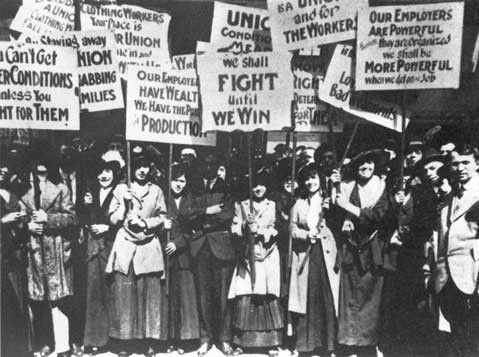
The typewriter has long stood as a symbol of women’s entry into the workforce, and typists represent a significant chapter in women’s labor history. From the invention of the typewriter in the 19th century, it became associated with women’s work, often relegated to secretarial roles that were underappreciated and undervalued. Despite the skill involved in typing and the technical knowledge required to operate these machines, society frequently minimized the contributions of women typists, framing them as mere extensions of their male counterparts.
As women entered the white-collar workforce, they faced societal pressures and stereotypes that contributed to their work being viewed as secondary to men. This portrayal reflected broader trends concerning women’s roles in society, emphasizing beauty and compliance over professional skills. The types of manuals produced during this time often reinforced these stereotypes, focusing more on personal presentation rather than highlighting the actual capabilities of typists. The exhibit critically examines how this historical context continues to impact perceptions of women in various professional fields today.
Famous Women Typists and Their Stories
Among the women who made indelible marks as typists are figures who transcended their roles to become vital contributors to literature and culture. Mabel Loomis Todd, for instance, was instrumental in publishing Emily Dickinson’s poetry. Without Todd’s efforts in transcribing Dickinson’s handwritten works, the poet’s legacy might have remained obscured. Similarly, Vera Nabokov’s work in typing her husband’s manuscripts significantly contributed to the dissemination of some of the 20th century’s most renowned novels, and her role remains crucial in any discussion about Nabokov’s literary achievements.
Other noteworthy typists include Lillian Sholes, the first typist to be publicly recognized, representing the cultural perception of women in the workforce during the late 19th century. These women not only typed but also participated in an evolving narrative about labor, creativity, and collaboration. By highlighting their stories, the exhibit ‘Thanks for Typing’ not only acknowledges their contributions but also brings to the forefront the complex intersection of gender, labor, and literary heritage.
The Typewriter’s Influence on Women’s Roles
The advent of the typewriter marked a significant point in women’s employment history, allowing them to enter professional spaces that were previously dominated by men. As women began to take on roles as typists, their presence in the workforce expanded the notion of what women could achieve academically and professionally. This shift challenged existing social norms and opened pathways for women’s rights, suggesting that their capabilities extended beyond traditional domestic roles.
However, the typewriter also reflected societal attitudes towards women, casting them as both essential to the workforce and yet confined to roles that were often viewed as subordinate. Despite the skills required to operate typewriters, the labor of typists frequently went unrecognized, reinforcing the dichotomy between women’s work and male authorship. Exhibits like ‘Thanks for Typing’ aim to highlight this contradiction and shed light on the typewriter’s lasting impact on gender roles in the workplace.
Cultural Representations of Typists in Media
Cultural depictions of typists throughout history convey much about societal attitudes toward women’s labor. Early films often romanticized the typewriter girl trope, portraying women in these positions as charming and efficient,但 often perpetuating stereotypes that diminished their professional identity. Media representations have fluctuated between empowerment and objectification, showcasing the struggle for recognition and autonomy faced by typists and, by extension, all women in the workforce.
In films from the mid-20th century, typewriters became symbols of both productivity and femininity. These portrayals often included an emphasis on appearance and behavior, suggesting that typists were expected to navigate both their professional obligations and societal expectations of femininity. By analyzing these cultural representations, the ongoing exhibit collaborates with media studies to provide insights into how typists’ societal roles have evolved and how they continue to impact contemporary representations of women in professional sectors.
The Evolution of Typing as a Skill
The skill of typing has evolved significantly since the introduction of the typewriter, reflecting broader changes in technology and workplace dynamics. Originally considered a simple task for women, typing became a respected skill that required training and dexterity. The progression from manual typewriters to electric models marked a transition in the labor landscape, where the speed and accuracy of typists became increasingly important in a fast-paced world.
Today, typing remains an essential skill, yet the evolution of technology has transformed the context in which it is used. The digital age has introduced new forms of typing and written communication, requiring a reevaluation of traditional typing skills. Despite these changes, the historical significance of women typists serves as a reminder of the labor that paved the way for modern communication, as showcased in the exhibit’s discussions of historical typing manuals and their implications for today’s workforce.
A Spotlight on Typing Manuals and Their Context
Typing manuals from previous decades provide a fascinating insight into the culture of the time and the perceptions of women in the workforce. Often filled with tips on etiquette, dress, and office decorum, these manuals not only aimed to teach typing skills but also reinforced gender roles that emphasized appearance over ability. They catered to a vision of female typists as attractive and compliant, reflecting broader societal echoes of female objectification.
The exhibit ‘Thanks for Typing’ utilizes these manuals to contextualize the historical significance of typewriting as a profession for women. While typists were frequently marginalized, the manuals reveal the intricate ways in which women sought to navigate and establish their identity in the workplace. By presenting these materials, the exhibit brings forth a critical discussion on how women’s contributions have often been sidelined while offering audiences a chance to engage with a rich history that still resonates today.
Engaging the Audience: An Interactive Typing Experience
The inclusion of an interactive typing station in the ‘Thanks for Typing’ exhibit provides a unique opportunity for visitors to engage directly with the typewriter. This experience not only allows individuals to connect with the history of typing but also reflects the hands-on labor that typists performed throughout history. By encouraging visitors to try their hand at typing, the exhibit fosters a deeper appreciation for the skills and dedication of women typists who have shaped literary history.
This interactive element serves to bridge the gap between past and present, allowing visitors to understand the physical demands and nuances associated with typing. It invites them to reflect on the evolution of typing technology and the women behind it. By using a vintage Olympia typewriter, participants experience firsthand the tactile nature of writing, echoing the very labor that women’s contributions have been built upon, thus creating a more personal connection to the narrative of typists in literature.
Frequently Asked Questions
How did women typists influence literature throughout history?
Women typists have significantly influenced literature by providing essential typing services for prominent authors, which allowed their works to be published. For instance, Vera Nabokov typed her husband Vladimir Nabokov’s manuscripts, helping to bring classics like ‘Lolita’ to life. This exhibit sheds light on how typists not only facilitated the publication process but also subtly shaped literary styles and content through their meticulous work.
What role did the typewriter play in women’s labor history?
The typewriter played a pivotal role in women’s labor history by serving as a gateway to white-collar jobs for women. From its invention, the typewriter was associated with women’s labor and became a symbol of their entry into the workforce. This exhibit showcases how women typists broke societal barriers, offering them new employment opportunities while also bringing to attention the undervalued contributions they made in various fields, including literature.
Who are some famous women typists that made a mark in literature?
Notable women typists who left their mark on literature include Mabel Loomis Todd, who was instrumental in transcribing and publishing Emily Dickinson’s poetry, and Vera Nabokov, who typed the manuscripts of her husband’s literary works. Their work not only brought these literary figures closer to the public but also shaped the narratives we appreciate today.
What is the impact of typists on authors and their works?
Typists have had a profound impact on authors and their works by ensuring the clarity and readability of manuscripts. For instance, Henry James’s writing style evolved significantly when he transitioned to dictating to a typist. This shift led to longer, more elaborate sentences, illustrating how the process of typing and the influence of typists can alter an author’s style and approach.
How are women’s contributions as typists recognized in literature today?
Today, women’s contributions as typists are increasingly recognized through exhibits like ‘Thanks for Typing’, which celebrate the often overlooked labor behind literary works. By highlighting historical figures and their stories, this exhibit aims to elevate the narrative of women typists in literature and acknowledge their vital roles as collaborative partners in the creative process.
| Key Points |
|---|
| Exhibit highlights contributions of women typists in literature |
| Vladimir Nabokov’s works were typed by his wife, Vera Nabokov |
| #thanksfortyping: A viral tag recognizing typists’ labor |
| Women like Mabel Loomis Todd shaped literary works posthumously |
| The typewriter has been historically associated with women’s labor |
| Typists’ contributions often minimized or underappreciated |
| The exhibit encourages visitors to engage with typing themselves |
Summary
Women typists in literature have played a pivotal role in shaping the literary landscape, often laboring quietly behind the scenes. The exhibit “Thanks for Typing” sheds light on these essential contributions, showcasing figures like Vera Nabokov and Mabel Loomis Todd who helped bring significant works to fruition. Despite their crucial impact, the contributions of women typists have frequently been overlooked, emphasizing the need for recognition and respect in historical literary narratives. As discussions around the roles of women in literary arts continue, it is vital to honor the skills and dedication of those whose work was instrumental in the literary achievements of their time.